
The Trillion-Yuan Blue Ocean: A Turning Point for China’s Tourism Industry
A new research report from Morgan Stanley reveals a stunning picture: The scale of China’s tourism industry is projected to surge to 12 trillion RMB (approximately 1.7 trillion USD) by 2030, equivalent to the entire annual economic output of South Korea, representing a compound annual growth rate of 11%. By then, per capita tourism spending will exceed 7,000 RMB, accounting for nearly one-fifth of total consumption. In this global wave of the “experience economy,” Macau, with over 70% of its visitors coming from Mainland China and a strong recovery momentum demonstrated by receiving 1.6 million visitors during the nine-day Spring Festival holiday, has become a key window for observing the transformation of Chinese tourism.
“Half a Step Abroad”: The Precision of Cultural Affinity
When asked why Macau continues to attract Mainland Chinese travelers, Prof. Glenn McCartney, Associate Professor in the Department of Integrated Resort and Tourism Management at the University of Macau, hit the nail on the head in an interview with *The Bay*: “The appeal of Macau as a leisure destination for Chinese tourists is not unfounded, as it is often regarded as ‘half a step abroad’.”
He further elaborated on the underlying logic of this unique positioning: “The city is filled with Portuguese and European architectural styles, yet Mandarin is commonly spoken; popular venues are fully integrated into China’s digital payment ecosystem, eliminating consumption friction. This ‘novelty within familiarity’ is precisely Macau’s core advantage, setting it apart from purely domestic or long-haul international destinations.” This seamless blend of cultural distinctiveness and habitual usability builds a moat of experience that is difficult to replicate.
Beware the “Digital Myth”: From Traffic Competition to Experience Cultivation
Facing the practical challenges of increased regional competition and the relatively low spending power of day-trippers (averaging 700 MOP per day vs. nearly 3,000 MOP for overnight visitors), Prof. McCartney proposes a crucial shift in focus: “Experts shouldn’t set a ‘magic number’ as a target. The priority should be redistributing tourism spending and the stream of people to less popular destinations and spreading it more evenly throughout the year. This might involve creative solutions, such as pre-planning itineraries before tourists even arrive.”
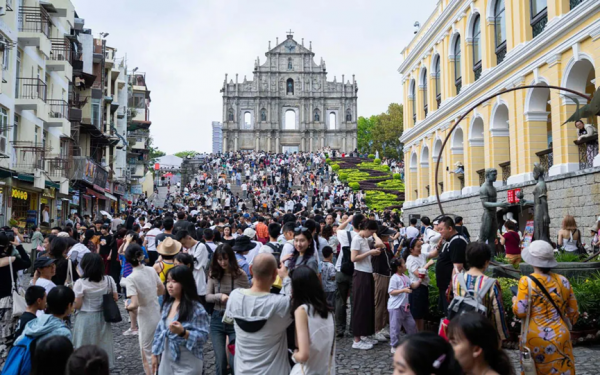
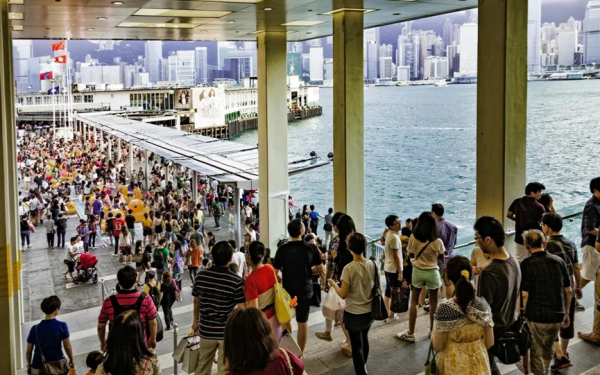
He seriously points out: “Negative experiences caused by overcrowding will directly deter the desire to revisit.” This insight strikes at the core of current tourism governance – rather than blindly expanding capacity, the goal should be to transform “transient traffic” into “sustained stays” through smart dispersal, seasonal adjustment, and product segmentation.
Steadfastness and Foresight in Regional Co-opetition
Although Hong Kong received 1.8 million visitors during the same Spring Festival period and increased its tourism budget, Prof. McCartney emphasizes the importance of a differentiated path: “Macau’s area is only 1/39th of Hong Kong’s, requiring more meticulous congestion management. True competitiveness lies not in the total number of visitors received, but in enhancing the value per unit of experience.” He calls on the industry to move beyond the “infrastructure race” mindset and focus on deeply exploring culture and organically integrating non-gaming elements, allowing historic districts, festivals, and community life to become sources of sustainable appeal.
The “Macau Answer” in the Experience Economy Era
Against the macro trend of Chinese tourism consumption continuously rising, Prof. McCartney’s insights shine a light: The ultimate value of tourism lies not in the accumulation of numbers, but in whether each moment spent is worth remembering.
When the romantic vision of “half a step abroad” meets the governance wisdom of “smart dispersal,” Macau becomes more than just a beneficiary of the trillion-yuan market; it can provide a development model of being “small yet beautiful, refined yet warm” for micro-destinations globally. This path requires not only courage but also a human touch.
